
# Cultivated Meat in Pet Food: Ivy Farm UK Approval, OEM Outlook
On November 4, 2026, Agro News Today reported: Oxford spin-out Ivy Farm Technologies received UK approval to sell its cultivated Wagyu as a pet food ingredient, becoming only the second company with such approval in the UK. Ivy Farm is developing products with manufacturers including Fold Hill Foods.
What Is Cultivated Meat Pet Food?
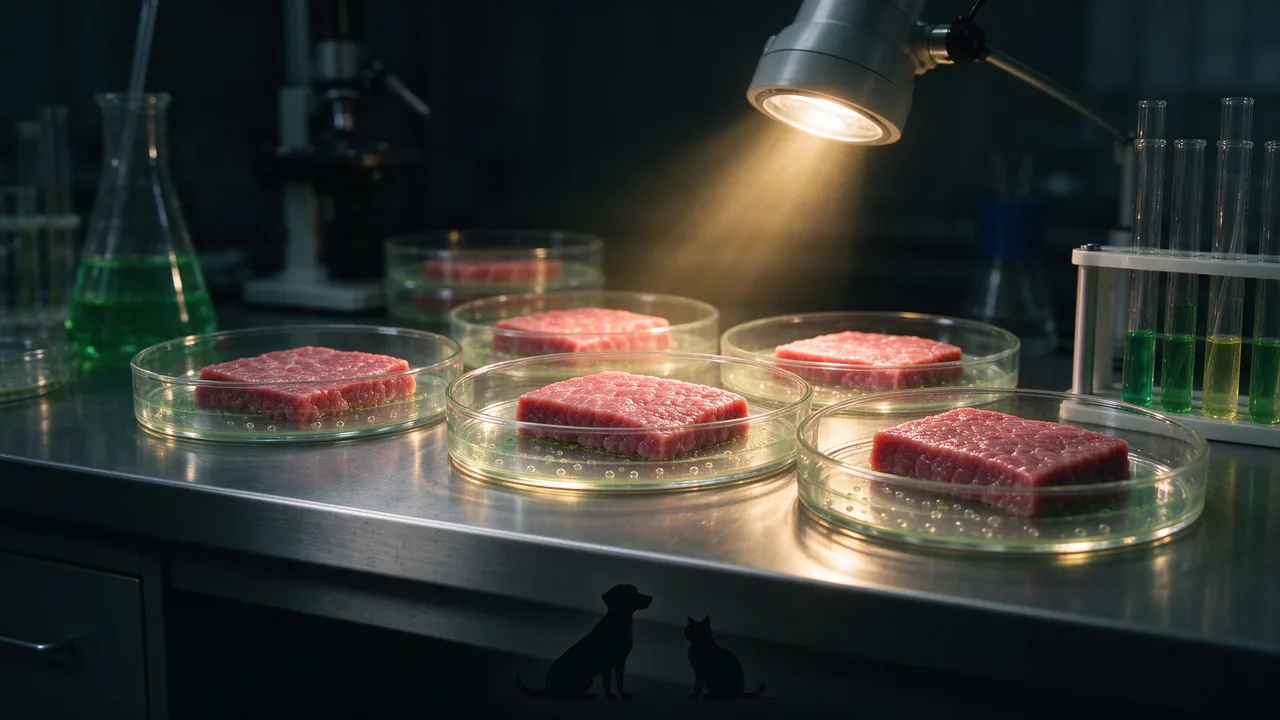
Cultivated meat (cell-based meat) is meat grown from animal cells, without farming or slaughter. For pet food:
- Cells are taken from animal muscle tissue;
- Cultivated in bioreactors for weeks;
- Harvested and processed into pet food ingredients.
Ivy Farm's product is cultivated Wagyu beef for pet food. This differs from plant protein and insect protein — cultivated meat is closer to real meat in amino acid profile and texture.
Global Approval Landscape
| Country/Region | Status | Representative Companies |
|---|---|---|
| Singapore | Approved (since 2020) | Eat Just (Good Meat) |
| US | Approved (since 2023) | Upside Foods, Eat Just |
| UK | Approved | Ivy Farm (second) |
| EU | Under review | Several applications |
| China | Not approved | Research stage |
Why Pet Food Is Leading Cultivated Meat Adoption
Cultivated meat approval is slower for human food, but pet food moves faster:
- **Lower regulatory bar**: pet food doesn't require the same clinical safety data as human food;
- **Higher consumer acceptance**: pet owners accept "eco" and "tech" ingredients more readily than eating it themselves;
- **Lower price sensitivity**: premium pet food pays novelty premiums.
What It Means for Co-Packers
Short Term (1-2 years): Still Concept
Cultivated meat currently costs hundreds to thousands of dollars per kg, only for premium concept products, not mainstream OEM formulas.
Mid Term (3-5 years): Capability Building
- Cultivated meat needs mixing with other ingredients;
- New mixing, forming, freeze-drying parameters needed;
- Co-packers with R&D can co-develop with cultivated meat companies.
Long Term (5+ years): Category Diversification
As costs fall, cultivated meat may become a premium differentiator. Co-packers need:
- Understanding of cultivated meat nutrition;
- Small-batch R&D lines;
- Labeling compliance expertise (country-specific cultivated meat labeling rules).
What Chinese Co-Packers Should Do Now
1. Track Approvals
China has no cultivated meat food approval yet, but research institutions have cell-cultured meat research. Once policy opens, co-packers need to react fast.
2. Don't Invest in Cultivated Meat Lines Now
Cost and compliance are not ready. Instead:
- Build relationships with research institutions;
- Reserve "novel protein" test slots in formula R&D;
- Watch overseas cultivated meat companies' China partnerships.
3. Build Alternative Protein Foundation First
Cultivated meat is one alternative protein. Co-packers that master insect, algae, and plant protein formulas will transition faster.
Bottom Line
Ivy Farm's UK approval is a signal: cultivated meat pet food is moving from sci-fi to reality, but 3-5 years from mainstream Chinese OEM. Co-packers don't need production lines now, but should track and build R&D reserves.
For brands planning novel protein R&D, **Mixiaoqi pet food OEM/ODM** in Guangzhou has an independent formula lab supporting insect, plant, and future cultivated meat pre-research.
---
FAQ
**Q: Can I buy cultivated meat pet food now?**
A: Available in some premium channels in Singapore, US, UK; not yet approved in China.
**Q: When will cost reach mainstream pet food levels?**
A: Industry estimates 5-10 years of scaling.
**Q: Should co-packers build cultivated meat lines now?**
A: No. Build R&D reserves and alternative protein process knowledge first.
Developing a fresh pet food product?
Share your target market, product direction, format and expected volume — we will help structure a project plan.
Submit a project brief