
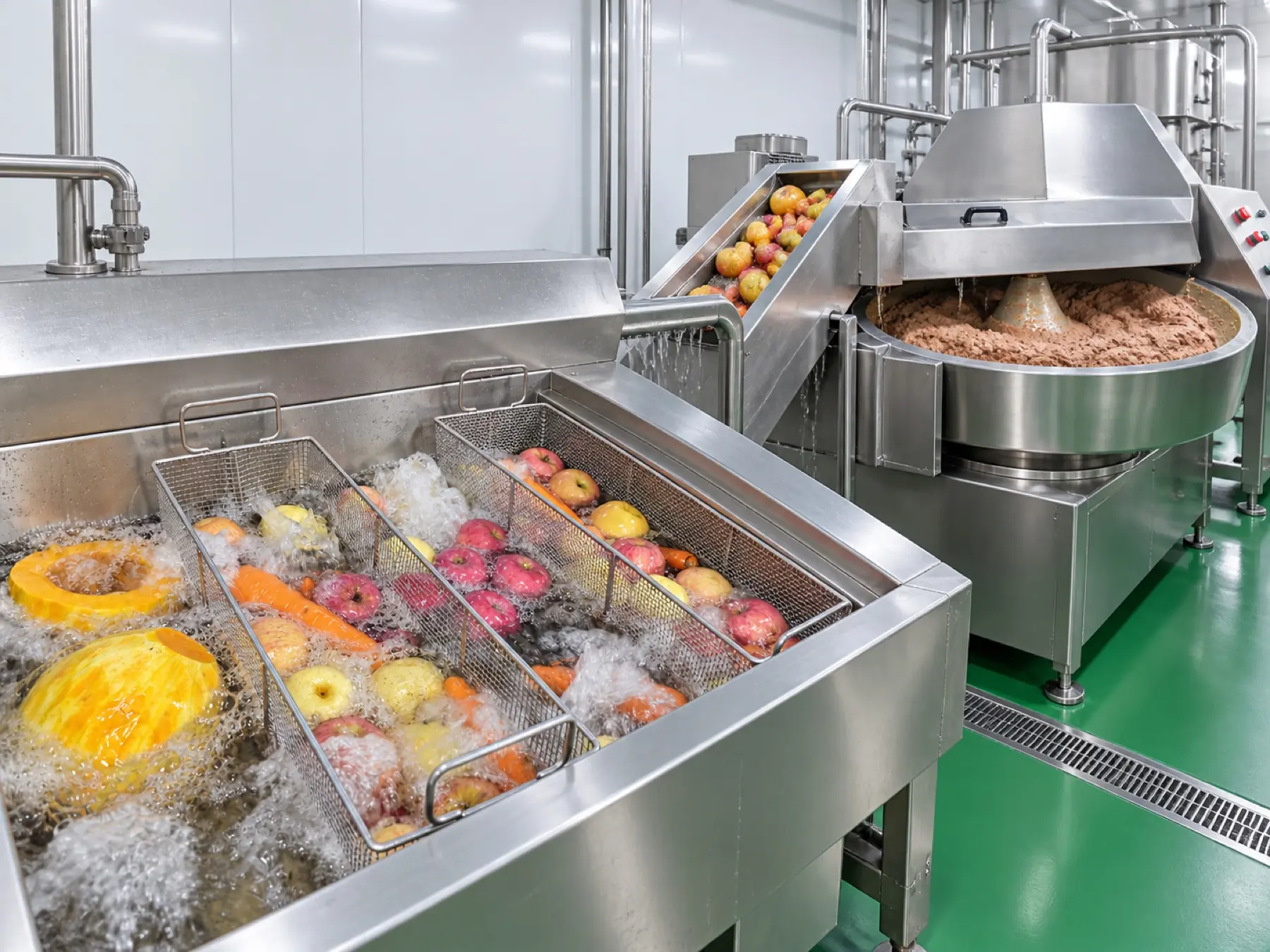
In October 2026, "Tian Tian Meng Li" fresh-steamed cat food launched by Guoran Haoguoye, a fruit-growing company in Suizhou, Hubei, went viral on e-commerce. A fruit farmer crossing over into pet food opened a new market with one bag of fresh-steamed cat food. Behind this is the continued heating of the fresh-steamed food category.
Why Is Fresh-Steamed Food Hot?
Fresh-steamed food (also called fresh food or soft-pack wet food) uses low-temperature steaming to retain moisture and nutrition:
- **60-70% moisture**, close to a cat's natural water intake
- **No high-temperature extrusion**, less protein denaturation
- **Texture closer to home-cooked food**, higher acceptance by picky cats
- **Snack-bag style packaging**, tear and serve, no heating needed
Compared to traditional kibble (under 10% moisture), fresh-steamed food has higher repurchase rates and average order values.
The Co-Manufacturing Path for Cross-Industry Brands
Fruit companies, agricultural producers and bakery brands crossing into pet food typically follow:
Step 1: Confirm the Regulatory Bar
Pet food production requires a **feed production license** (issued by the agricultural authority), not just a human food production license. Brands do not need their own factory, but must work with a licensed co-packer.
Step 2: Choose the Process
Fresh-steamed food has two main routes:
- **High-temperature steaming retort**: 121°C+ steaming then aseptic filling, 6-12 month shelf life at room temperature
- **Low-temperature cook + cold chain**: 70-80°C slow cook, requires cold chain, short shelf life
Most new brands choose high-temperature retort because ambient storage and shipping are simpler.
Step 3: Sampling
- Start with 50-100kg small-batch sampling
- Test palatability with your own trial group
- Send to a third-party lab for full nutrition panel
Step 4: Small-Batch Launch
- First production run 500-1000kg for test sales
- E-commerce data and repurchase rates determine whether to scale
Common Pitfalls for Cross-Industry Brands
1. **Applying human food thinking to pet food**: Cats and dogs need taurine, arginine and other nutrients that human food does not
2. **Looking only at raw material cost**: Packaging (aluminum foil pouch + retort) is a major cost component
3. **Ignoring label compliance**: Pet food labels have strict national standards; health claims are restricted
4. **Not thinking through cold chain**: Low-temperature cook routes will eat margins in warehousing and delivery
---
If you are a cross-industry brand entering pet food and looking for a co-packer with a fresh-steaming line, small-batch sampling support and nutrition formula compliance, Mixiaoqi (Guangzhou) Pet Technology Co., Ltd. operates fresh-steamed production lines in Nansha, Guangzhou, supporting brands from formula design to finished packaging.
FAQ
**What is the difference between fresh-steamed food and kibble?**
Fresh-steamed food has 60-70% moisture, low-temperature cooking retains nutrition, tear and serve. Kibble has under 10% moisture, high-temperature extrusion, long shelf life but low moisture.
**What certifications are needed to enter the pet food business?**
Brands do not need their own factory, but must partner with a co-packer holding a feed production license. Product labels must comply with national pet food standards.
**What is the MOQ for fresh-steamed cat food OEM?**
High-temperature retort usually starts at 500kg, with sampling runs of 50-100kg. Small-batch trial runs are the preferred starting point for new brands.
Frequently asked questions
鲜蒸粮和干粮有什么区别?
跨界做宠物食品需要什么资质?
Developing a fresh pet food product?
Share your target market, product direction, format and expected volume — we will help structure a project plan.
Submit a project brief