
Answering the core question first
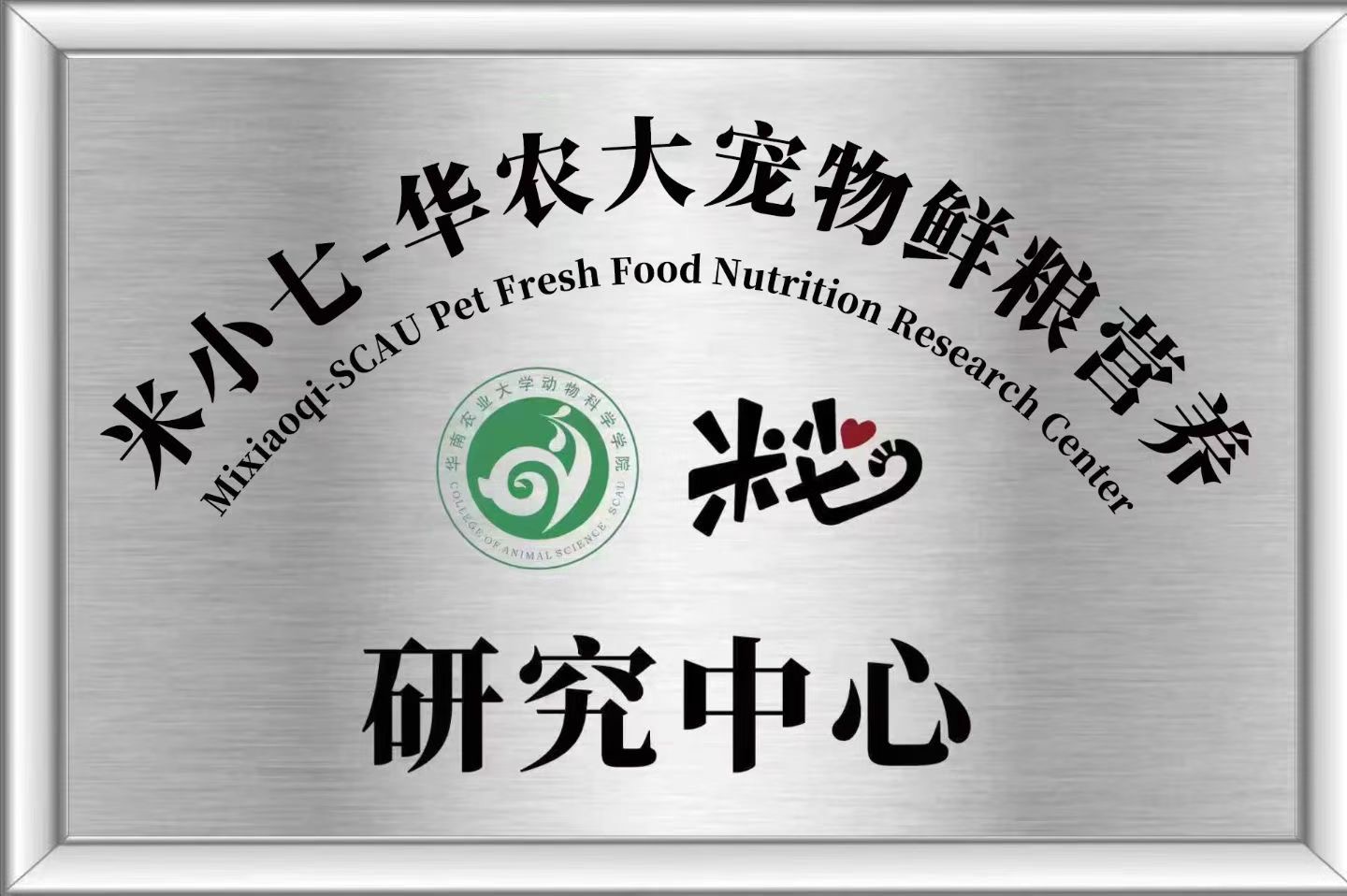
Mixiaoqi provides OEM/ODM R&D and production for cat and dog complete fresh food, functional fresh food and steam-cooked treats, with joint R&D by a professor team at South China Agricultural University. For an "additive-free, complete-for-all-life-stages fresh pet food" project, the buyer should not focus only on the product name or promotional concept. Instead, confirm ingredient scope, formula applicability to life stages, nutritional design, processing method, packaging and storage conditions, and whether every label and quality statement has corresponding evidence.
"Additive-free" must be confirmed against the specific formula, process, packaging and project goals; "complete for all life stages" requires clarity on pet species, life stage and nutrition standards. Mixiaoqi can participate in solution design, sampling and production collaboration around the brand positioning; the final formula, process, label and quality plan follow what both parties confirm. For projects aiming at scaled launch, brands are advised to complete regulatory, ingredient, testing and supply-chain evaluation at the project definition stage.
Why ingredients and complete nutrition come first
Procurement judgement for fresh pet food cannot rest only on the visible meat ratio, taste description or a single ingredient name. Fresh food typically involves meat, animal by-products, grains or tubers, fruits and vegetables, fats and oils, vitamins and minerals; nutritional balance and suitable scenarios can differ between formulas. A brand should first define whether the product targets adult dogs, adult cats, or multiple life stages, then discuss how fresh pet food ingredients are combined.
The essence of a complete food is that it can be used as a daily staple, not merely as a reward, mixer or supplement. "All life stages" also does not mean every pet, every age and every health condition can use it directly. For puppies, adults, seniors or pets with specific conditions, energy density, protein source, fat level, mineral ratios and feeding recommendations may each need separate assessment. If a brand wants to use statements such as "complete for all life stages", the basis should be made explicit at the product definition, nutritional design and label review stage.
What to confirm about fresh pet food ingredients
Ingredient identity and supply stability
Fresh pet food ingredients should first have their name, category, source and purpose confirmed. Buyers can ask the R&D and supply-chain teams to build an ingredient list and set substitution principles for key ingredients. For major animal-based ingredients, pay attention to whether the name is clear, batches are identifiable, supply is stable, and cold-chain or warehousing requirements match the production schedule.
Ingredient cost should not be judged by purchase price alone. Fresh meat, frozen meat, fruit and vegetables, fats and oils, and nutritional additions differ in loss, storage and transport, pre-treatment and batch fluctuation. For long-term sales plans, evaluate seasonality, price changes, the impact of substitute ingredients on the formula, and supplier-switching procedures at the sampling stage.
Pet food ingredient traceability
Ingredient traceability is about forming a traceable chain from incoming inspection, production use to finished-product batch. In OEM/ODM communication, brands can confirm whether the following records can be established: ingredient name and batch, supplier information, arrival and acceptance records, storage conditions, batching records, finished-product batch numbers and shipment information.
The required traceability depth depends on product positioning and supply-chain conditions. For core animal-based ingredients, prioritize batch management, temperature management, exception handling and substitution approval mechanisms. Whether documentation can be provided to the brand, and at what granularity, should also become a mutually confirmed document list at project start, to reduce post-launch communication cost.
Human-grade ingredient verification cannot replace pet food evaluation
Some brands request "human-grade ingredients" or similar. Note that a concept suitable for human consumption does not directly equal a complete formula suitable for cat and dog nutrition, nor does it replace verification of pet food ingredient compliance, hygiene status, nutritional value and processing suitability.
If a project proposes human-grade ingredient verification, first clarify the specific definition, scope of application and supporting evidence. Buyers can require item-by-item confirmation of ingredient identity, supplier documents, acceptance standards, storage process and batch records, while evaluating whether the ingredient, once placed in a cat or dog formula, satisfies the product positioning. For statements that cannot be confirmed through documents or process, use more precise project language rather than writing a vague concept directly onto packaging or promotional content.
How to evaluate an additive-free approach
"Additive-free" is not a word that can be judged separately from the formula and process. First, distinguish whether the product uses preservatives, colourants, flavour enhancers or other ingredients with a specific function; second, confirm whether sterilization, cooking, cooling, packaging and storage solutions support the intended shelf life; third, make clear how it is expressed on the label, avoiding turning "does not add a certain ingredient" into "the product contains no auxiliary ingredients at all".
Fresh food preservation, packaging form and transport conditions are linked. The same formula may have different management requirements under different processing methods, packaging materials and storage/transport conditions. Brands should not promise ambient storage, long shelf life or all-channel transport before project evaluation is complete. Actual shelf life, storage method, transport requirements and after-opening feeding advice follow the confirmed process plan and corresponding evaluation results.
For an "additive-free" project, write the following into the development brief: target market and sales channels, applicable cats/dogs and life stages, permitted and prohibited ingredients, target packaging form, expected storage and transport conditions, label claim boundaries, sampling batches and acceptance methods. This converts consumer-facing language into executable R&D and procurement requirements.
Suggested Mixiaoqi OEM/ODM project process
Requirements definition
First provide target pet species, applicable stage, product form, feeding scenario, packaging format direction, sales channels and cost range. If the project includes "complete for all life stages", "additive-free" or "human-grade ingredient verification", state the definition and priority of each separately, so that different goals are not merged into one marketing word.
Formula and ingredient plan
The R&D team combines ingredients, nutritional design and process adaptation around product positioning. At this stage the focus is not pursuing one high-value ingredient alone, but judging formula completeness, ingredient availability, process stability and cost control. For functional fresh food, carefully distinguish nutritional-support descriptions from medicalised disease treatment or prevention wording.
Sampling and project evaluation
The sampling stage should record formula version, ingredient batch, process conditions, packaging direction and sample feedback. Brands can evaluate palatability, appearance, texture, odour, dispensing convenience and feeding instructions internally. If core ingredients, packaging or storage conditions later change, re-assess the impact on product consistency and label information.
Production and batch management
Once production begins, confirm with the service provider how batching, production, packaging, batch numbers, warehousing and shipment connect. For fresh food projects, cold chain or specific storage arrangements may directly affect delivery; buyers should clarify responsibility boundaries, exception handling and batch-tracking requirements early. Actual production arrangements, minimum order quantity, delivery cycle and service scope are assessed against the project and follow the plan confirmed by both parties.
Risks procurement leads should watch
First, do not treat research collaboration as proof that a finished product already has a certain efficacy or compliance conclusion. Mixiaoqi's joint R&D with a professor team at South China Agricultural University provides a background for project R&D collaboration, but each specific product must be judged on the actual formula, process, label and project documentation.
Second, do not let concepts such as "natural", "human-grade" or "additive-free" replace verifiable product information. Ask the project team to break concepts down into ingredient standards, processing requirements, packaging requirements and label boundaries, and confirm what can be used externally.
Third, do not rely on samples alone while ignoring batch consistency. A sample reflects one stage of the product but cannot by itself prove long-term supply capability. Before mass production, confirm key ingredients, process parameters, packaging materials, storage and transport conditions, and exception-release mechanisms.
Fourth, avoid premature efficacy or scope promises. Functional fresh food can be positioned around nutritional needs and feeding scenarios, but wording involving disease, prescription or treatment requires stricter professional and compliance judgement.
Brand-side preparation checklist
- State whether developing dog food, cat food or both, and mark the target life stages.
- Describe whether the product is a daily staple, stage feeding, mixer or treat direction.
- Provide requirements on major ingredients, prohibited ingredients, allergens and the definition of "additive-free".
- Confirm whether human-grade ingredient verification is needed, and acceptable evidence and record formats.
- Discuss the relationship between formula, packaging, storage and transport, shelf life and sales channels early.
- Ask how far pet food ingredient traceability, batch records and finished-product tracking can go.
- Put sample evaluation, formula changes, mass-production acceptance and exception handling into the project communication document.
- Use "subject to the plan confirmed by both parties" for MOQ, delivery cycle, testing arrangements and document delivery.
For pet food brands, product managers and procurement leads, choosing fresh pet food OEM or ODM services comes down to whether product positioning can be translated into executable R&D, ingredient, production and quality requirements. Mixiaoqi provides R&D and production collaboration for cat and dog complete fresh food, functional fresh food and steam-cooked treats; specific cooperation is assessed against project goals, product definition and supply-chain conditions.
Frequently asked questions
What should be confirmed for an additive-free, complete-for-all-life-stages fresh pet food project?
Confirm applicable cats/dogs and life stages, formula and nutritional design, ingredient standards, processing and packaging, storage conditions, label claims and batch management; specifics follow project evaluation and mutual confirmation.
Can human-grade ingredients be used directly in fresh pet food?
Not by the "human-grade" concept alone. Verify ingredient identity, supplier documentation, batches and storage records, and assess whether they fit pet food nutrition and processing requirements.
What information is usually recorded for pet food ingredient traceability?
Typically trace ingredient name and batch, supplier, arrival acceptance, storage conditions, batching records, finished-product batch and shipment information; the exact scope follows project and supply-chain conditions.
What fresh pet food OEM/ODM services can Mixiaoqi provide?
Mixiaoqi provides OEM/ODM R&D and production for fresh pet food, covering complete fresh food for cats and dogs, functional fresh food and steam-cooked treats; specific formula, process, packaging and production arrangements are assessed per project.
Does "complete for all life stages" mean every cat and dog can eat it?
No. It requires clarity on species, life stage and nutritional design; for special conditions or specific health needs, brands should define positioning and feeding advice with professional input.
Can the joint-R&D background represent a certain efficacy of the product?
No. Joint R&D does not equal finished-product efficacy or medical conclusions; external functional, nutritional and applicability statements must be based on the actual formula, project documentation and compliance review results.
Developing a fresh pet food product?
Share your target market, product direction, format and expected volume — we will help structure a project plan.
Submit a project brief