
Many brand owners discover, only after something goes wrong, that "it wasn't in the contract".
If you only check the result **on the day finished goods ship**, a quietly swapped ingredient or adjusted process parameter won't show up. By the time consumer feedback reaches the brand, the factory's batch records from that run may be long gone. Writing quality rules into the purchase contract upfront is far more efficient than arguing afterward.
1. Ingredient changes: written advance notice
- specify the **origin, supplier and key specs** of critical ingredients (fresh meat source, meal batches, key additives);
- require the factory to give **written notice N days in advance** of any change, with the brand's right to request re-sampling or a trial run;
- any batch changed without notice can be rejected.
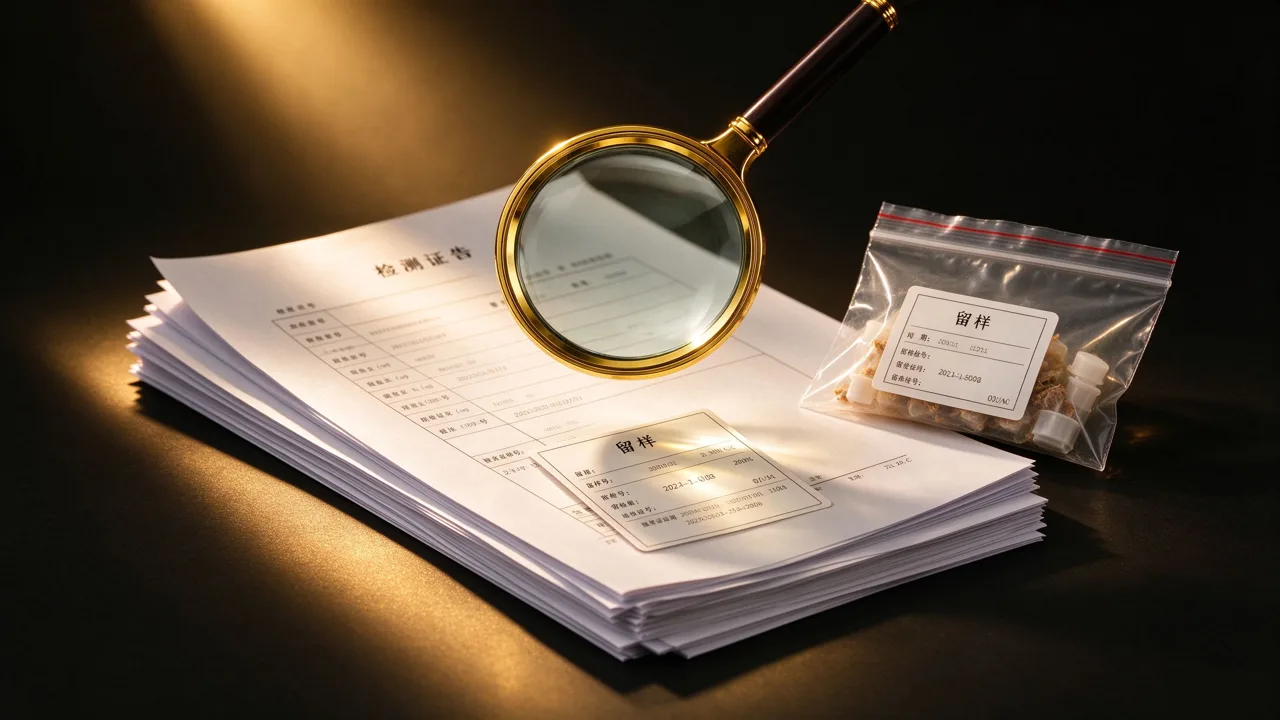
2. Batch retention: keep samples from every batch
- retain samples from **every production batch**, with agreed quantity, storage conditions, and destruction after the shelf life ends;
- label each sample with batch number, production date and line;
- when market feedback appears, retained samples and batch records let you trace the issue backward instead of each side telling a different story.
3. Release testing: every batch, with the shipment
- agree on **per-batch must-test items** (appearance, moisture, crude protein, crude fat, microbiology), with reports travelling with the goods;
- set the frequency of **third-party testing** (quarterly or spot batches) and who pays;
- batches failing any spec must not ship.
4. Rejection and returns: quantified standards in advance
- write **rejection criteria** into the contract (weight-tolerance range, packaging defects, how far a spec can exceed limits);
- agree upfront who bears the cost of rework, returns and logistics for a responsible batch;
- define the mechanism after two consecutive failures (rectification, suspension, etc.).
Bottom line
Quality partnerships with a co-manufacturer rely **on records, not on trust**. Ingredient-change notice, retained batch samples, per-batch release reports and quantified rejection standards — written into the contract — are what make problems traceable.
Frequently asked questions
Why not rely only on release testing?
Release testing checks finished goods. Ingredients can change or the process adjusted while the product still passes; without process records, differences between batches are hard to explain.
Developing a fresh pet food product?
Share your target market, product direction, format and expected volume — we will help structure a project plan.
Submit a project brief