
# Selling Back Into China From an Overseas Plant: Filing, Channel and Utilization
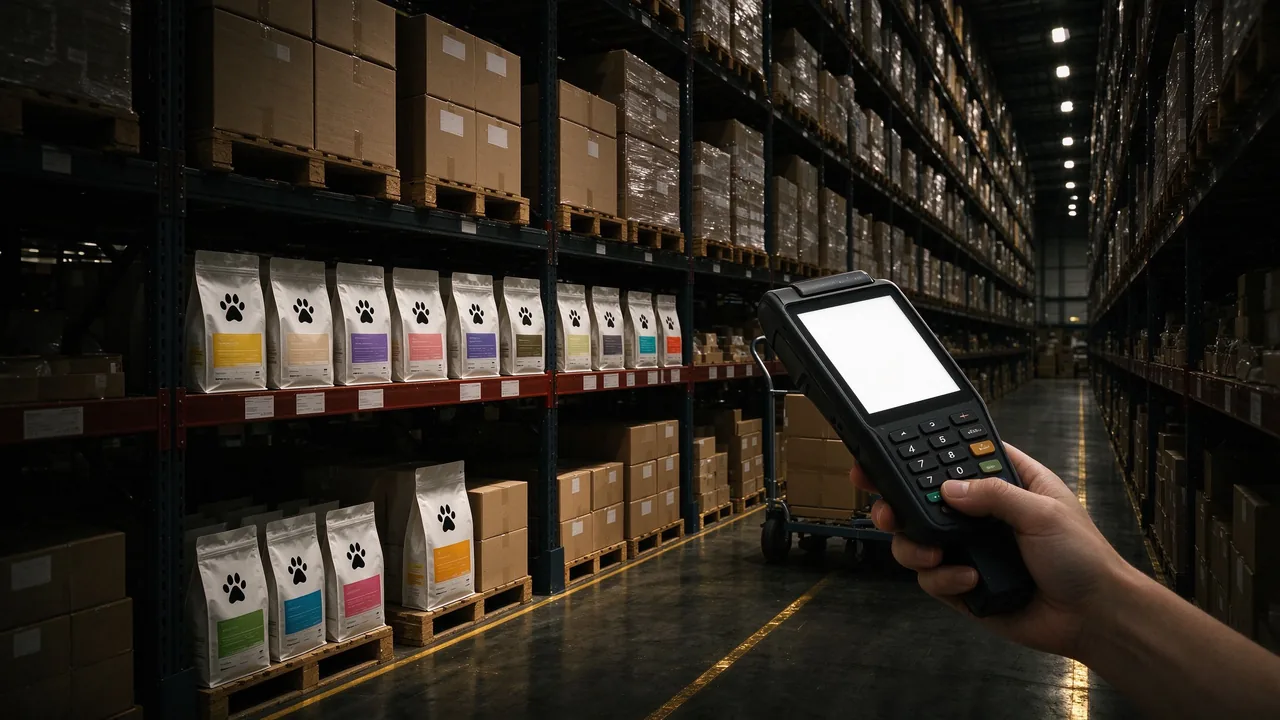
On November 19, Petpal gave institutional investors a very concrete set of facts: its New Zealand plant has completed import filing for several products, opened two flagship stores on Tmall Global, and is currently selling a small range of dog food positioned from mid to premium; the site reaches profitability once utilization enters the 30 to 40 percent range.
The same disclosure was not comfortable reading on earnings: revenue for the first three quarters was 1.095 billion yuan, up 0.53 percent, while net profit attributable to shareholders was 25.59 million yuan, down 77.47 percent. Put together, the numbers show that selling an overseas plant's output back into China is not a slogan but a route with gates to clear one by one.
1. Gate one: import filing and market access
Before an overseas plant's product enters China, answer whether it can enter at all:
- registration and filing of the overseas manufacturing facility;
- product import filing, submitting category, formula, process and label together;
- localization of the Chinese label and nutrition panel, including ingredient order and claims wording;
- test items and certificate chains that cover the target category and trace back to the batch.
This gate is document-heavy and slow, and it does not move because a plant has capacity. Many projects stall here not because they cannot produce, but because the paperwork is incomplete.
2. Gate two: how the channel lands
- **Cross-border bonded**: suits market testing and small volumes with less inventory pressure, and the shopper experience resembles general trade.
- **General trade**: suits steady volume but requires fuller registration, labeling and inspection.
- **Flagship stores**: a brand-owned store builds trust and repeat purchase, not distribution.
Petpal's choice, two Tmall Global stores and a handful of SKUs first, is essentially validating demand before scaling.
3. Gate three: capacity utilization
The line about profitability at 30 to 40 percent utilization reveals the cost structure: fixed cost on that line is relatively contained, and the products sit in a higher-margin band.
For small, multi-SKU projects this is a useful reference. Not every overseas line needs to run at full capacity to be worth it; the question is whether unit price covers fixed cost.
4. What domestic co-packers can borrow
Overseas plants selling back into China will raise competition in the premium import band, but the case validates three things domestic co-packers can use directly:
1. **Access first, capacity second.** Documents and certificates are preconditions, not cleanup work.
2. **Small-batch validation is a legitimate route.** Prove demand with a few SKUs before committing a line.
3. **Know your utilization threshold.** Only a clear break-even point lets you take small orders confidently.
The real domestic advantage sits between those two ends: more flexible minimums, faster artwork changes and shorter lead times.
On re-import or cross-border projects, Mixiaoqi pet food OEM/ODM lays the access list and the channel list side by side: which documents can be prepared now, which must wait on registration, so a customer does not spend on channel before clearing access.
5. A checklist for brands
- Confirm filing requirements and test items for the target category.
- Draft the Chinese label early and review it alongside the formula.
- Validate through one channel before opening three.
- Calculate break-even utilization before discussing expansion.
- Leave buffer time for licenses and filing.
FAQ
**Q1: What is the first step for an overseas plant's products entering China?**
Market access first: facility registration and product filing, with Chinese labeling, test items and certificate chains ready before channel discussions.
**Q2: Cross-border bonded or general trade?**
Bonded cross-border suits market testing and small volumes with lower capital pressure, while general trade suits steady volume but demands fuller registration and labeling.
**Q3: What does profitability at 30 to 40 percent utilization tell us?**
That the line's fixed cost is relatively contained and the products sit in a higher-margin band, which is a useful reference for small, multi-SKU projects.
Developing a fresh pet food product?
Share your target market, product direction, format and expected volume — we will help structure a project plan.
Submit a project brief