
# Why Rejected Pet Food Reached Shelves: Recall Shows Disposal Chain Gaps
On November 4, 2026, Mars Petcare US issued a voluntary recall of two lots of Pedigree canned wet dog food: the product may contain sharp metal and plastic fragments. Notably, Mars' official notice explains these two lots had already failed QC and been sent to a third-party vendor for destruction, but were later found to have been fraudulently diverted and sold through unauthorized channels in the US. Mars is working with authorities to determine how the non-conforming product re-entered the marketplace.
Key Facts
| Item | Details |
|---|---|
| Brand / Company | Pedigree / Mars Petcare US |
| Product | 13.2 oz High Protein Chopped Chicken & Duck Flavor canned dog food |
| Lots | 613C3KKCFC, 613C1KKCFC |
| Issue | Hard, sharp metal and plastic fragment risk |
| Failure point | Rejected stock fraudulently diverted before destruction |
| Pet injury reports | None as of the announcement |
What makes this case unusual: the defect was caught in the plant, but the rejected product broke free of the controlled destruction chain. Detection held; disposal failed.
How Rejected Stock Returns to Market
1. Opaque Outsourced Destruction
Non-conforming product is often outsourced to third-party recovery or destruction vendors, and the brand cannot see the destruction site. If carrier or destruction oversight is weak, rejected stock can be privately held and resold.
2. Weak Lot Marking and Isolation
If rejected product shares warehouse space with conforming goods and lacks prominent lot coding, it can be picked by mistake during turnover.
3. Missing Disposal Record Closure
Between the rejection decision and completed destruction, without destruction certificates, weigh records, or image documentation, the brand cannot confirm whether product was actually destroyed.
What a Sound Rejected-Product Disposal Chain Looks Like
1. Rejection Decision on Record
After QC failure, a quality lead signs a rejection record: lot, quantity, non-conformance reason, disposal method. Inventory is locked in the system and blocked from normal outbound shipment.
2. Physical Isolation
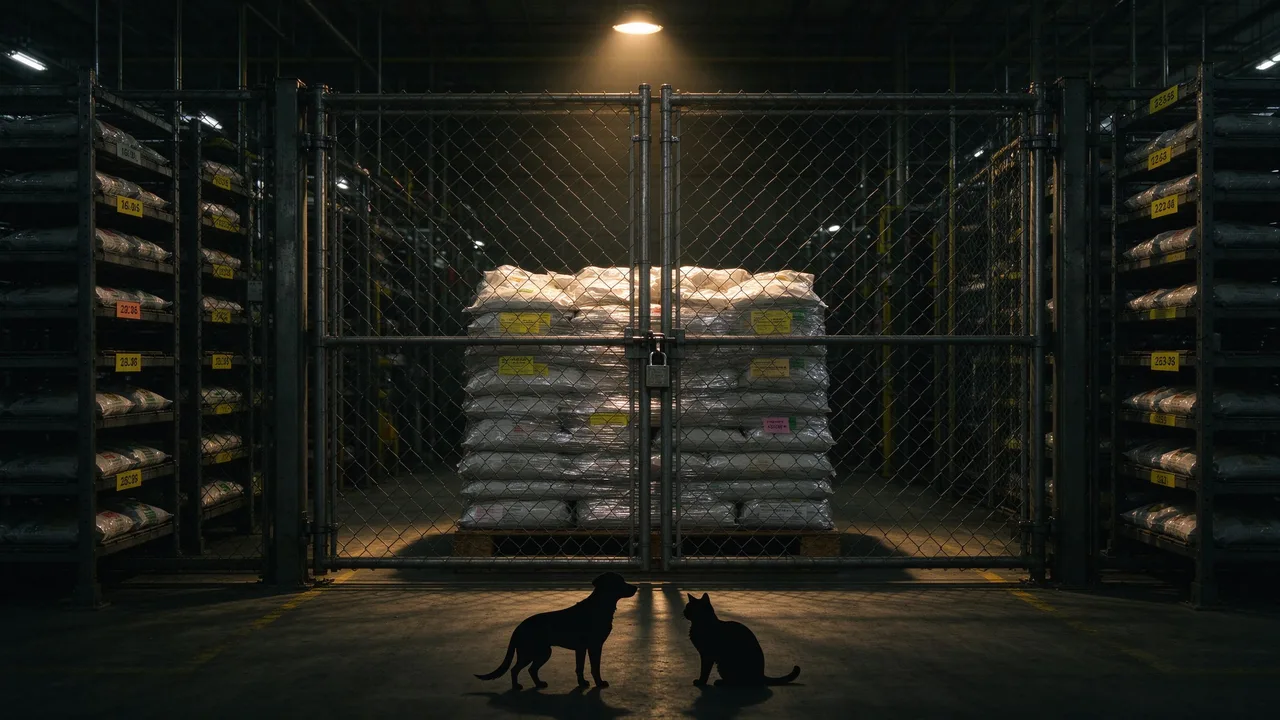
Rejected stock goes to a locked, dedicated quarantine area with red non-conforming labels, physically separated from conforming and pending-inspection goods.
3. Third-Party Destruction Evidence Closure
- Vendor qualification review (business license, food waste handling capability);
- Transport weigh records (outbound weight = destruction-received weight);
- Completion evidence (photos/video, destruction documents, supervisor sign-off);
- Periodic brand audits or spot checks at the destruction site.
4. Full Lot Traceability
Every bag/can links to a lot code: forward to raw material lot, production line, shift; reverse to customer channel. Every step from quarantine to destruction is recorded, answering "where did this lot go, who handled it, was it destroyed."
What Brands Should Ask When Vetting Co-Packers
Put these in your factory audit checklist:
1. How is rejected stock locked in the system? Is there an independent quarantine area?
2. Who destroys rejected product: internal or outsourced? Can vendor qualification documents be provided?
3. What records back destruction? Can samples of weigh and image records be shown?
4. Can the traceability system reach forward to raw material lot and reverse to distribution channel?
5. Has rejected stock ever been lost in the past? How was it handled?
What This Means for Small and Mid-Size Brands
Many smaller brands assume quality risk only comes from poor ingredients or processes, and overlook the disposal stage. Even in contract manufacturing, brands should specify in the agreement: rejection disposal flow, destruction record retention obligations, and liability allocation if stock is lost. Accountability after an incident requires clear contractual process requirements up front.
Bottom Line
The Pedigree case reminds the industry: quality control does not end when non-conformance is detected. The next job is controlling where that non-conforming product goes. Lot traceability and a closed disposal chain are baseline capabilities both brands and co-packers must build.
Brands selecting a pet food manufacturer should treat rejected-product disposal and traceability as hard audit criteria. **Mixiaoqi pet food OEM/ODM** in Guangzhou maintains an independent non-conforming quarantine area, lot ledger, and destruction evidence closure, and welcomes on-site visits to review quality control processes.
---
FAQ
**Q: Must rejected product be destroyed by a third party?**
A: Not mandatory, but outsourced destruction must retain qualification, weigh, and destruction certificates; internal destruction also requires records and supervision.
**Q: Is lot traceability needed for small-batch OEM?**
A: Yes. Even small orders must trace raw material lot and production records — a compliance baseline.
**Q: Is the brand liable if rejected stock returns to market?**
A: Liability is usually allocated per contract between brand and co-packer; unclear contracts lead to disputes. Specify disposal obligations in the manufacturing agreement.
Developing a fresh pet food product?
Share your target market, product direction, format and expected volume — we will help structure a project plan.
Submit a project brief