
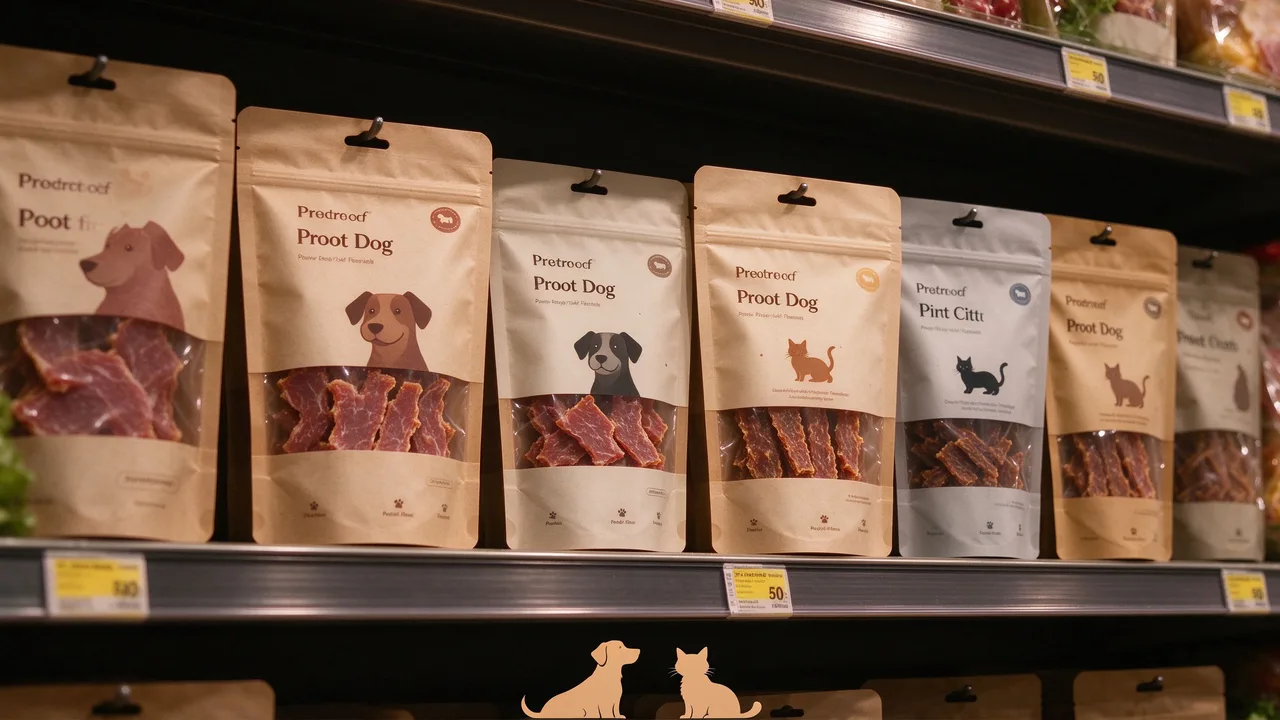
# Snug Pet Co Enters Coles: Meat-First, Limited-Additive Treats for Grocery Channels
On November 5, 2026, Australian pet industry entrepreneur Arianne Sackville, founder of Bell & Bone, launched her second pet brand, Snug Pet Co, sold exclusively through Coles. Positioned between specialty pet retail and mass grocery, the brand focuses on meat-first recipes, limited additives, and nutritionally grounded dog and cat treats; the initial line centers on meat-first dog treats with prebiotics and postbiotics.
What This Launch Signals
1. Grocery Channels Accept Functional Treats
Functional formulations used to concentrate in specialty stores and online brands. Snug Pet Co going straight into a mass chain like Coles shows grocery buyers now accept concepts built around meat plus fermentation metabolites or prebiotics; shoppers are willing to pay for a clear ingredient list during routine trips.
2. A Short Ingredient List Is Shelf Appeal
The brand emphasizes limited additives and lists meat sources near the front of the ingredient list. Mass-channel purchase decisions are fast; an easy-to-read ingredient list converts better than complex functional claims.
3. Founders Reuse Supply-Chain Experience for a Second Brand
With Bell & Bone supply chain and channel experience behind her, Sackville locked in a single-chain exclusive launch, concentrating distribution to cut early channel costs. This is a path smaller brands can study: penetrate one channel first, then expand categories.
Common Traits of Grocery-Channel Treat Formulas
| Dimension | Common practice | OEM formula requirement |
|---|---|---|
| Meat ranking | Fresh meat/meal listed near the front | Animal ingredient ratio labelable and testable |
| Additives | Controlled variety, short list | Use cataloged ingredients, avoid redundant functional additions |
| Functional direction | Prebiotics, postbiotics, fish oil and daily nutrition | No disease prevention or treatment claims |
| Format | Jerky, strips, bite-sized treats | Mature process, high batch consistency |
| Packaging | Small packs, stand-alone bags, unified shelf look | Barrier packaging and label compliance designed together |
What Domestic Brands Should Watch When Following This Direction
1. Meat Ratios Must Pass Testing
"Meat-first" is not packaging copy; ingredient ranking and crude protein figures must match. Lock meat meal/fresh meat ratios during OEM sampling and retain test reports.
2. Keep Functional Ingredient Claims Within Compliance Boundaries
Prebiotics and postbiotics are daily nutritional ingredients; labels and detail pages must not extend into gut-conditioning or disease-prevention claims. Limit wording to "contains XX ingredient" and "daily nutrition pairing."
3. Use Standard Ingredient Names
All ingredients use catalog standard names; additives are checked against the additive catalog. Self-created names tend to be rejected during grocery listing review.
4. Test Channels With Small Sizes First
Before entering grocery, test repurchase and shelf performance with small packs, then scale; do not flood one launch with too many treat SKUs — validate one or two core flavors first.
Co-Packer Capabilities to Confirm
1. Jerky/strip/bite-sized treat lines and flavoring process;
2. Short-list formula development;
3. Meat sourcing traceability and batch test records;
4. Small-pack packaging and multi-flavor mixed-batch capability;
5. Label compliance review support.
Bottom Line
Snug Pet Co entering Coles shows mass-grocery treats converging toward meat-first, short-list, daily-nutrition formulations. For domestic brands, the barrier is not marketing concepts but three fundamentals: testable formula, compliant ingredient list, and stable batch process.
Brands planning a grocery-channel treat line can work with **Mixiaoqi pet food OEM/ODM** in Guangzhou on meat-first formula sampling, concise ingredient list design, and small-pack packaging, staged from samples to channel trial sales.
---
FAQ
**Q: Can prebiotics and postbiotics appear on treat packaging?**
A: They may be listed as cataloged ingredients with content, but claims must not extend to disease prevention or treatment.
**Q: Are grocery MOQs higher than online?**
A: Grocery usually requires higher per-SKU stocking; trial with small sizes before scaling. Exact MOQ depends on factory lines and pack format.
**Q: Is a meat-first formula always expensive?**
A: It depends on meat source and fresh meat ratio; meat meal blends can control cost while holding protein targets. Cost modeling during sampling is the safer route.
Developing a fresh pet food product?
Share your target market, product direction, format and expected volume — we will help structure a project plan.
Submit a project brief